
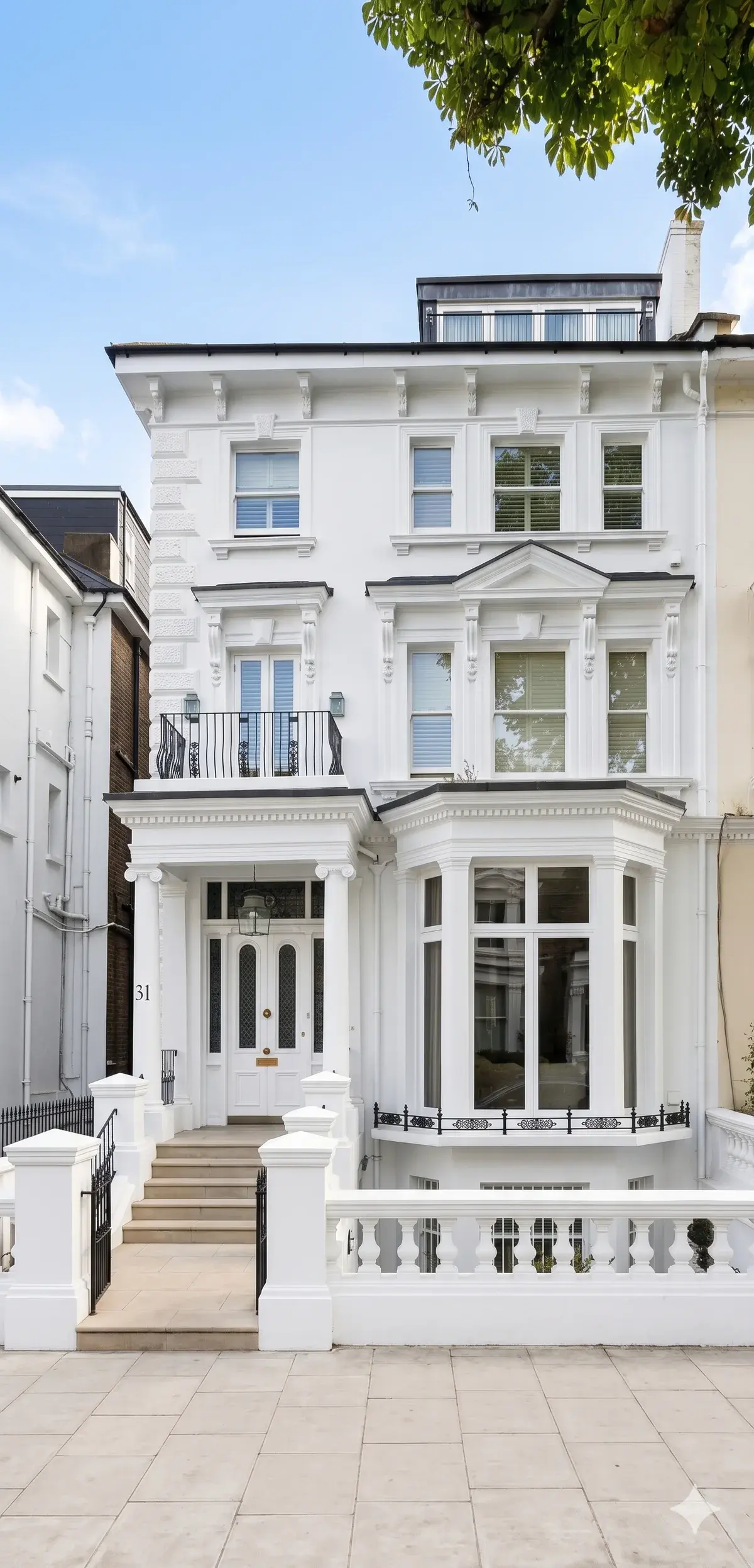
A renovation or maintenance project in a North London house fails most often on sequence, not on a single trade. Period houses in NW3, NW6 and NW8 commonly hide lead pipe, mixed wiring, lath and plaster, and floors that have already been altered. Opening up in the wrong order spreads dust through finished rooms and leaves the heating or the water off for longer than the programme allowed.
The process we use starts with a written brief: the rooms in scope, what must keep working, access, and whether the building is in a conservation area or is listed. Survey and opening-up come before a fixed sequence of strip-out, first fix, dry-in, second fix and decoration. Party-wall notices, building-control inspections and specialist orders sit on that same programme so they are not discovered after the scaffold has gone.
Hampstead Renovations leads the building work. Hampstead On Demand carries the maintenance tasks that sit beside a larger job or that are too small for a full refurbishment team: making safe, isolating a leak, temporary heating, and the snagging that follows handover. One programme means the plumber, electrician and decorator are not booked against three different versions of the same flat.
These process guides set out that order for the work we actually undertake: how a brief becomes a scope, how access in a mansion block or a terrace is agreed, and how completion is recorded. The same order applies to a repair: isolate the failed service, open up only what the fault requires, and leave the rest of the house usable. They describe method. They do not promise a duration for a house we have not seen.